

Pigment Not Going Into the Skin? The Skin Itself Is Usually Not the Problem
“This skin won’t take pigment” is one of the most common statements made during a difficult pigmentation procedure. Sometimes the tissue does behave differently than expected. It may be elastic, lo...
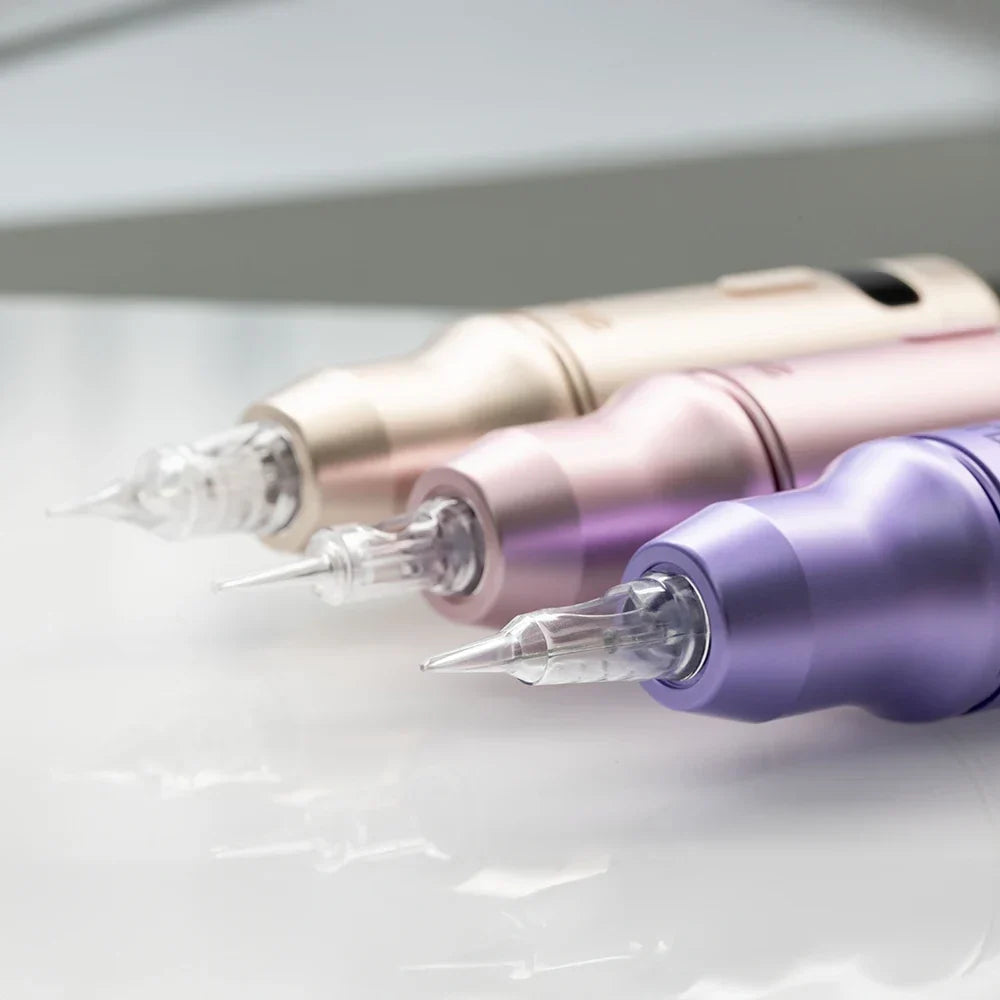
A PMU Cartridge Is More Than Just a Needle: How Its Construction Affects Machine Performance
When choosing a permanent makeup cartridge, we usually focus on three specifications: needle diameter, configuration and taper. We see a label such as 0.25 1RL LT or 0.30 1RL LT on the packaging an...

When Does a PMU Device Need Servicing? 8 Warning Signs You Shouldn’t Ignore
A PMU device may still switch on, display the correct frequency and move the needle, yet no longer perform in the same way it did before. The change often begins subtly: the sound becomes more meta...

Needle Motion in a PMU Machine: What Don’t Hz and Stroke Tell You?
Two PMU machines can operate at 60 Hz, have a 3.5 mm stroke and use the same cartridge, yet still leave a different trace. One creates clearly defined, consistent pixels with light contact. The oth...
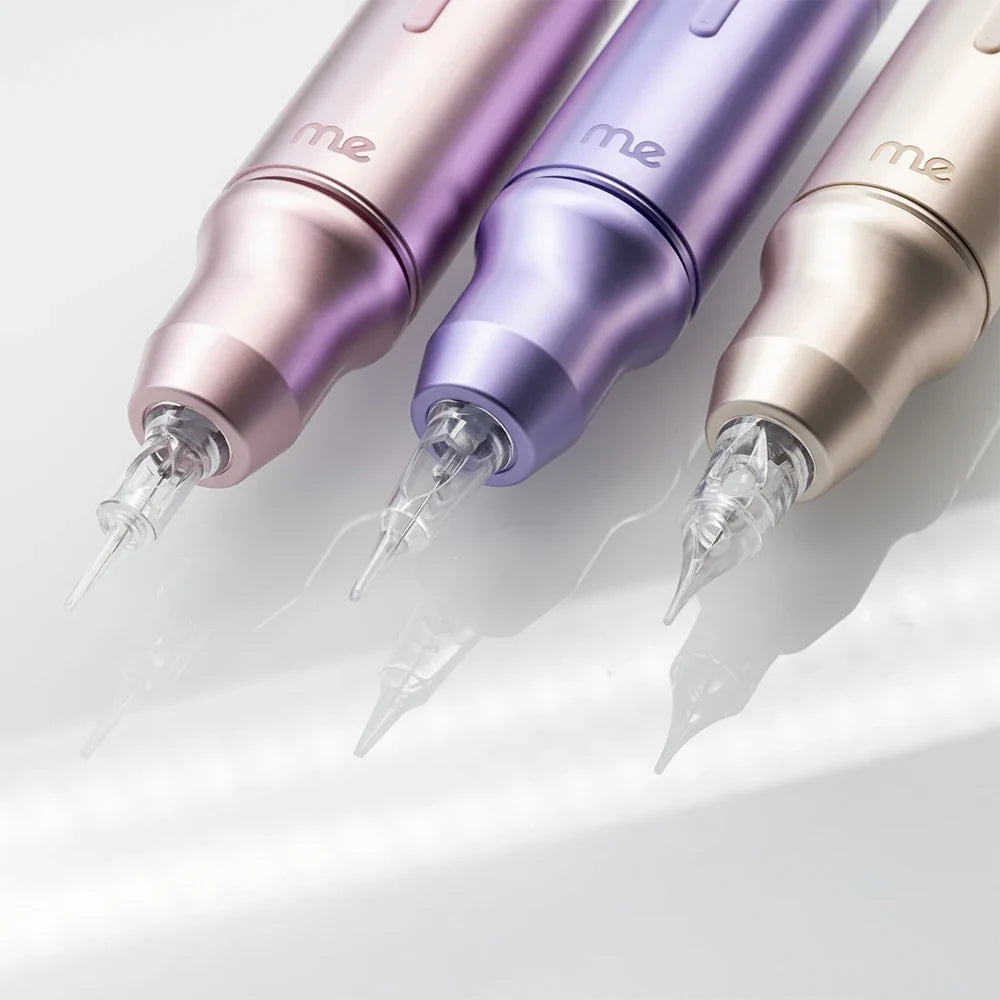
PMU Needle Hang: Why Protrusion Is Not Depth
“Set the needle to two millimetres” sounds like a precise instruction. In practice, however, it can describe completely different working conditions when two different machines, cartridges and tis...

¿Puedo convertir mi ajuste habitual de voltaje V a hercios Hz?
¿Puedo convertir mi ajuste habitual de voltaje V a hercios Hz? No — y ni siquiera deberías intentarlo. Si siempre has trabajado en otra máquina a 6 V, 7 V u 8 V, no existe una fórmula que te diga a...

Voltios vs. Hz en máquinas PMU: qué significa realmente la velocidad de la máquina
Hay una pregunta que escucho en casi todos los entrenamientos, talleres y demostraciones de PMU: "¿A qué velocidad trabajas?" Durante años, la respuesta solía sonar más o menos así: "5 voltios.""7 ...

¿Por qué la máquina influye realmente en los resultados de la micropigmentación?
¿Tu máquina de PMU influye realmente en los resultados cicatrizados? Descubre por qué el maquillaje permanente es más que recorrido o voltaje, y aprende cómo la mecánica de la máquina, la interacci...

¿Qué máquina y configuración ME™ deberías elegir?
¿No sabes qué máquina ME™ elegir? Descubre las diferencias entre los recorridos de 2,8 mm y 3,5 mm y las configuraciones de Motion Control, y averigua qué opción encaja mejor con tu técnica, tus ti...

Por qué la cicatrización en PMU empieza mucho antes de que la piel comience a sanar
¿Por qué máquinas de PMU idénticas producen resultados diferentes? Aprende cómo la biomecánica del tejido, la transferencia de energía y el comportamiento de la aguja influyen en la implantación, l...